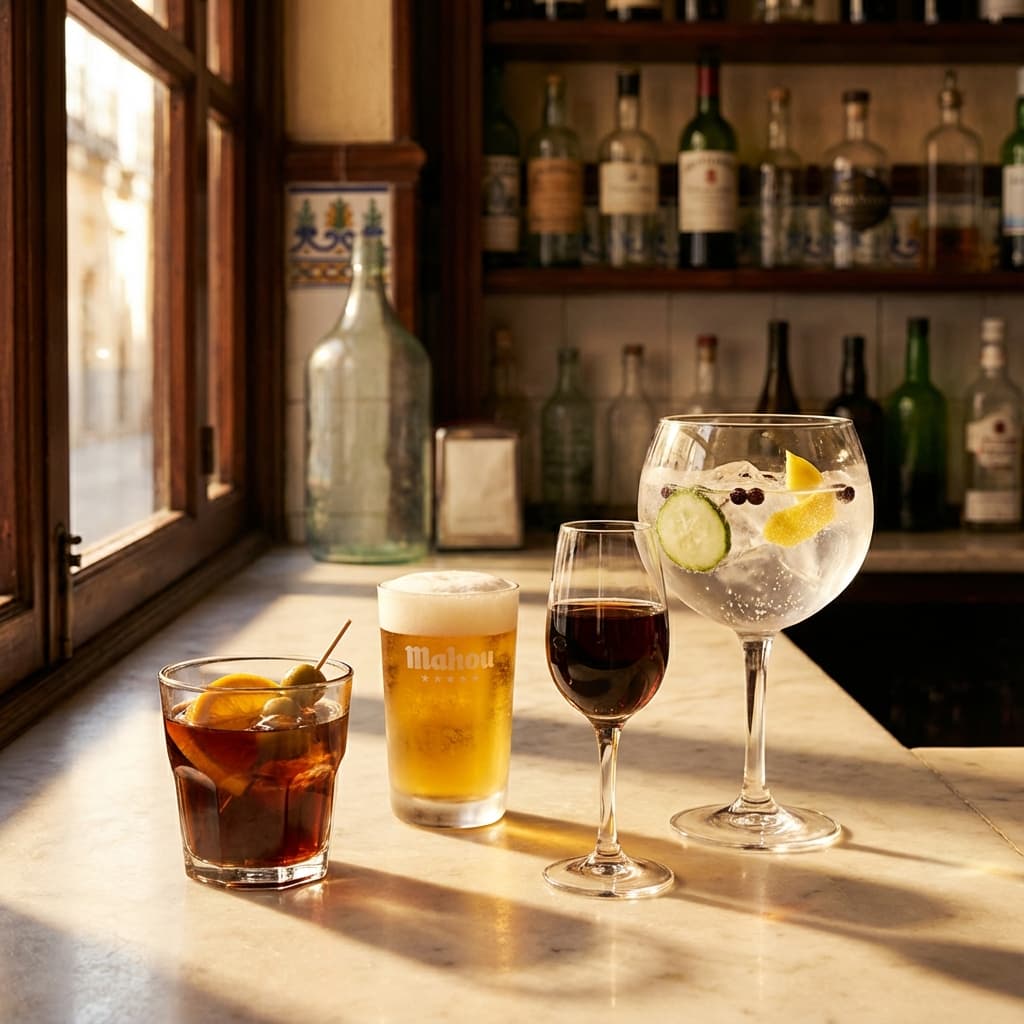
Best Bars in Madrid (2026): The Ultimate Drinks Guide (Rooftops, Vermouth & Tapas)
◆Quick Facts
Why this route matters
Discover the best bars in Madrid 2026. Ultimate guide to vermouth, rooftop bars, nightlife, sangria vs tinto de verano, and cocktail spots. Local tips included.
Best Bars in Madrid: The Ultimate Drinks Guide 2026
Madrid is a city that does not merely consume beverages; it inhabits them. From the first café con leche at dawn to the final gin-tonic of the late night, the drinking culture of Madrid is the loom upon which the city's social fabric is woven.
Why Madrid Is Special
This guide moves beyond tourist checklists. We will explore why Madrid's tap water is the best in Spain, trace the resurrection of vermouth as a hipster essential, analyze the economics of tapas-and-beer culture with Mahou, and document the renaissance of Vinos de Madrid DO.
Agua de Madrid: The Hydraulic Pride
It is a local axiom repeated with religious fervor: Madrid has the best tap water in Spain. This is not civic chauvinism; it is a geological fact. Water from the Canal de Isabel II originates in the Sierra de Guadarrama mountains, where granite bedrock naturally filters it, leaving it soft, neutral, and crisp.
The Phrase: "Una jarra de agua del grifo, por favor." (A pitcher of tap water, please.)
The Benefit: Soft water means better coffee and better herbal teas.
El Vermut: The Golden Hour Ritual
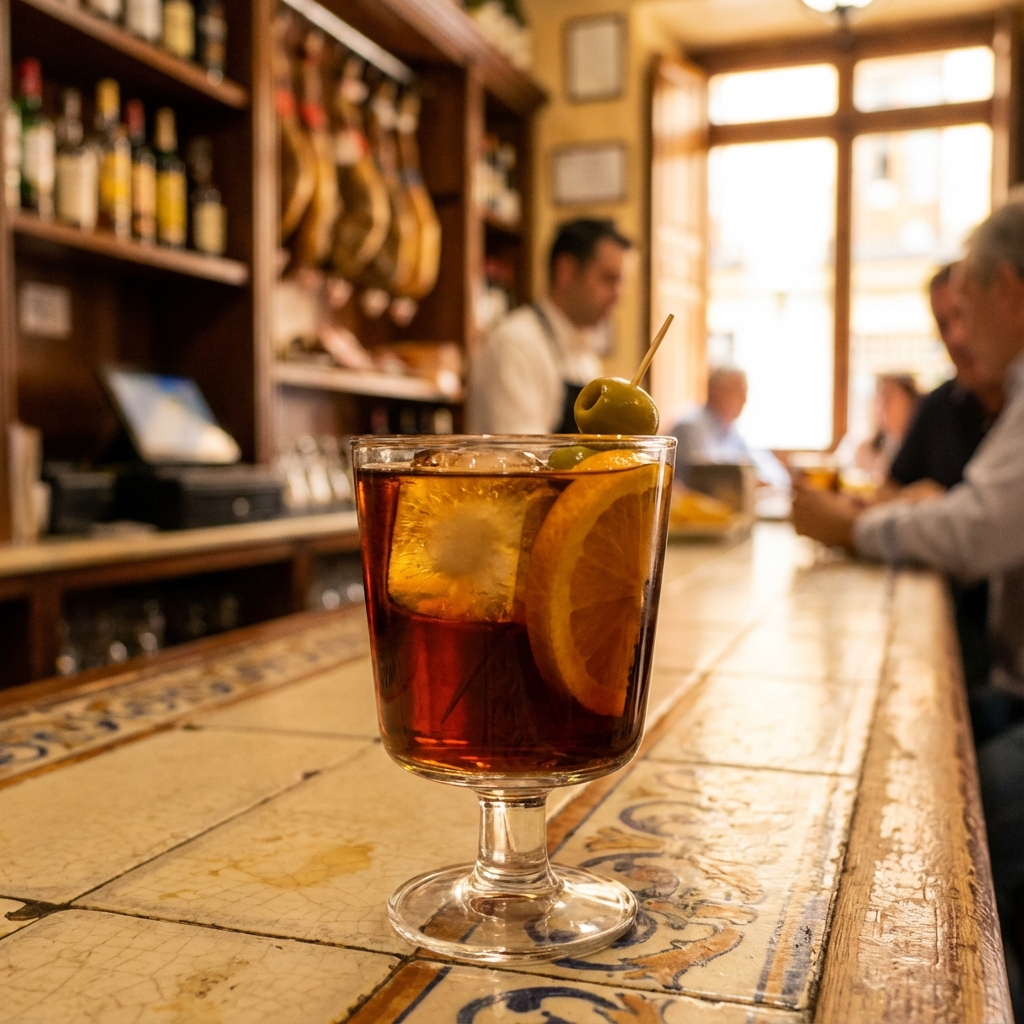
If water is Madrid's biological necessity, vermouth is its social lubricant. La Hora del Vermut (The Vermouth Hour) is not a rigid timestamp but a cultural window between 12:30 PM and 2:30 PM on weekends and holidays.
The vermouth of choice is almost exclusively Vermut Rojo (Red Vermouth). Unlike dry French styles, Madrid's version is sweet, mahogany-colored, and dense with botanicals: cinnamon, cardamom, clove, and citrus peel.
The connoisseur's choice is Vermut de Grifo (Draft Vermouth) from the barrel. Served in a small glass with a single large ice cube, a slice of orange, and an olive.
Temples of Vermouth
Bodega de la Ardosa (Chueca) - €
Founded in 1892. Their vermouth is notably caramel-forward, aromatic, and viscous. Mandatory pairing: their famous tortilla de patata, widely cited as one of the best in the city.
Casa Camacho (Malasaña) - €
Birthplace of the Yayo: vermouth, gin, and casera (sweet soda). It is deafeningly loud, the floor is covered in sawdust, and the Yayo is deceptively potent.
Taberna Ángel Sierra (Chueca) - €
A time capsule with tiled walls and a zinc bar counter. Their draft vermouth is legendary—served with seltzer water (sifón) if requested.
Order: "Un vermut de grifo, por favor." (A draft vermouth, please.)
🍷 Summer Wine Cocktails: Sangría, Tinto de Verano & Calimocho
This is perhaps the biggest source of confusion for visitors. Which one should you order? Here's the breakdown:
Tinto de Verano: The Madrileño's Choice (€)
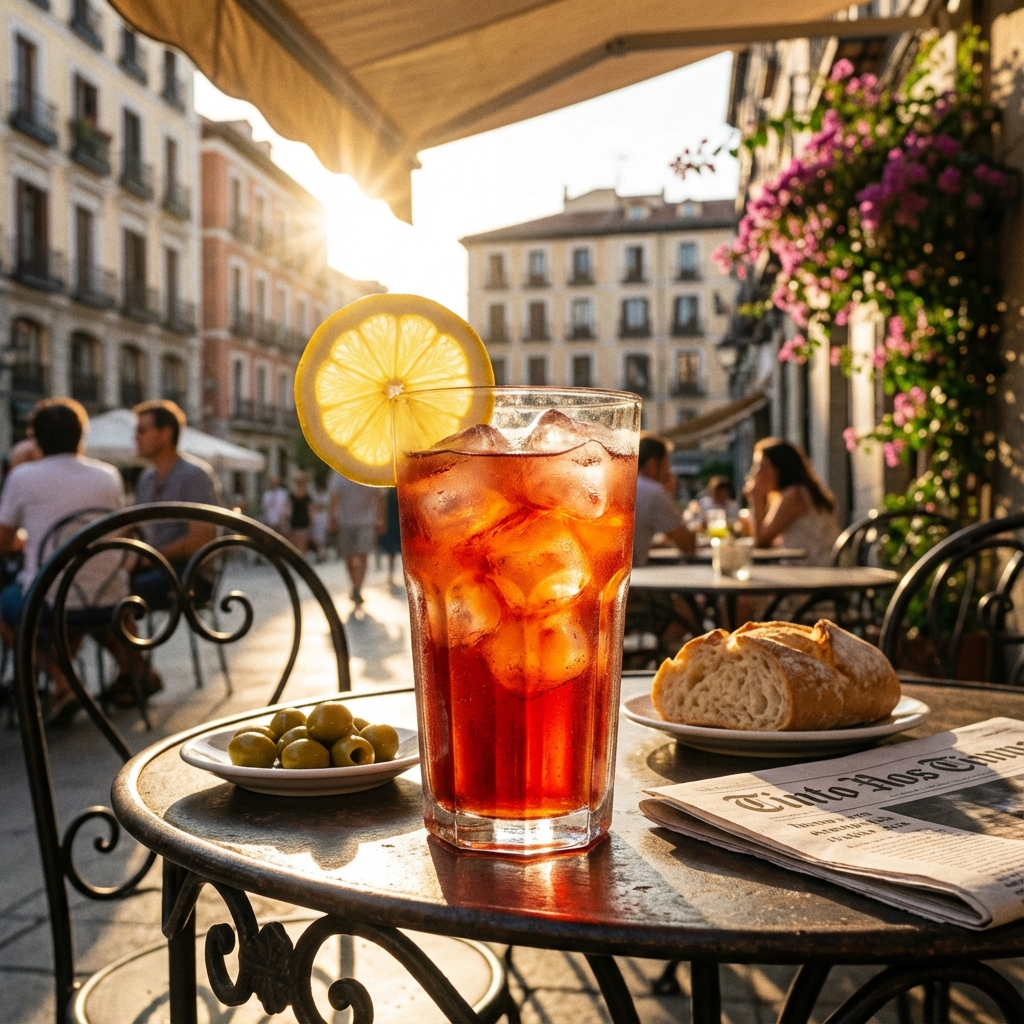
THE quintessential summer refresher of Spain. Simple, cheap, and authentic.
Ingredients: Red wine + lemon soda (La Casera) + ice
Price: €2-3 at any bar
When to order: Summer terraces, hot afternoons, with tapas
Local tip: Madrileños NEVER order sangría in summer; they order tinto de verano
Variants:
Con limón: With lemon soda (the classic)
Con blanca: With plain soda (more neutral)
Sangría: The Tourist Trap with Exceptions (€€-€€€)
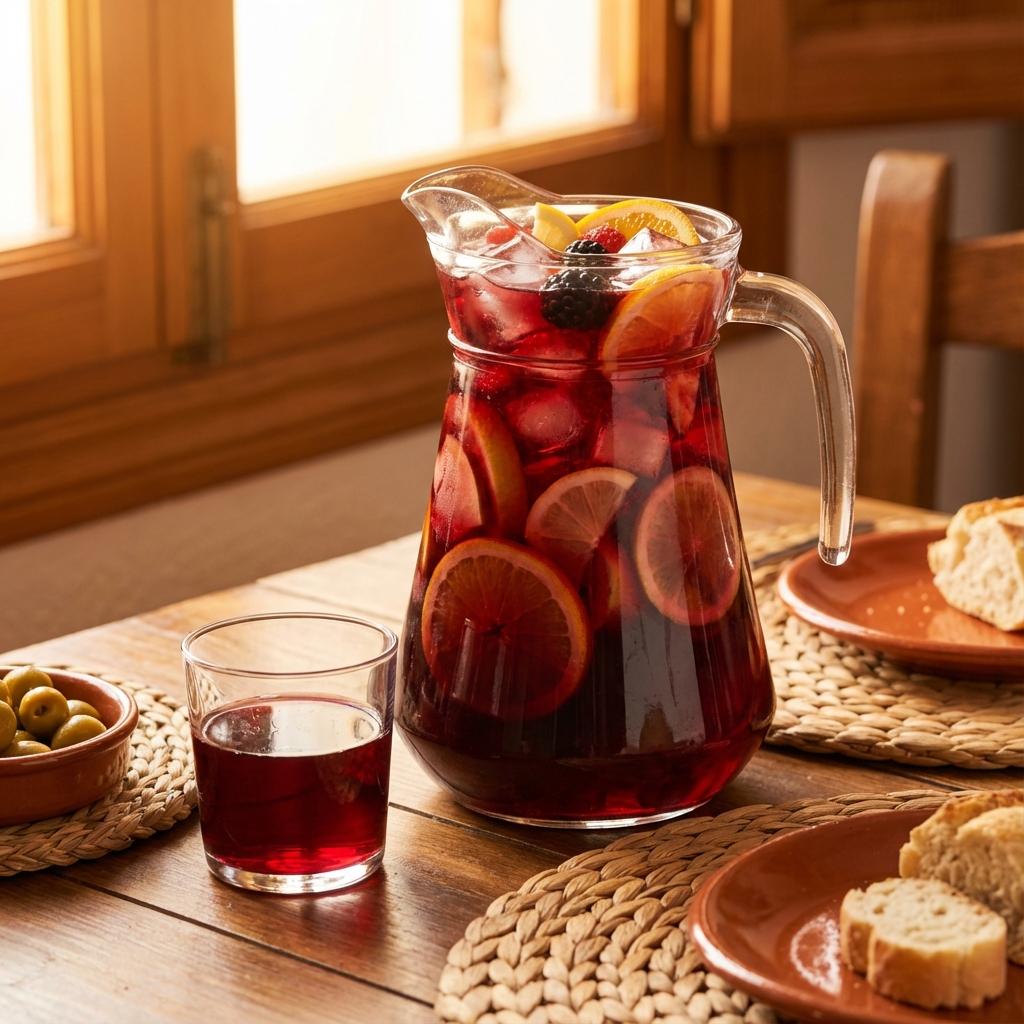
Let's be honest: the sangría served in tourist zones is often bad wine with tired fruit. But there are exceptions.
Ingredients: Red wine + fruits (orange, lemon, apple) + brandy/liqueur + sugar
Price: €5-15 per pitcher (tourist trap menus charge more)
When to order: Only at trusted restaurants or homemade
⚠️ Golden rule: If you see "SANGRÍA" on a neon sign near Plaza Mayor, run. Real sangría should be crafted, not pre-made.
Calimocho (Kalimotxo): The Rebel Youth Drink (€)
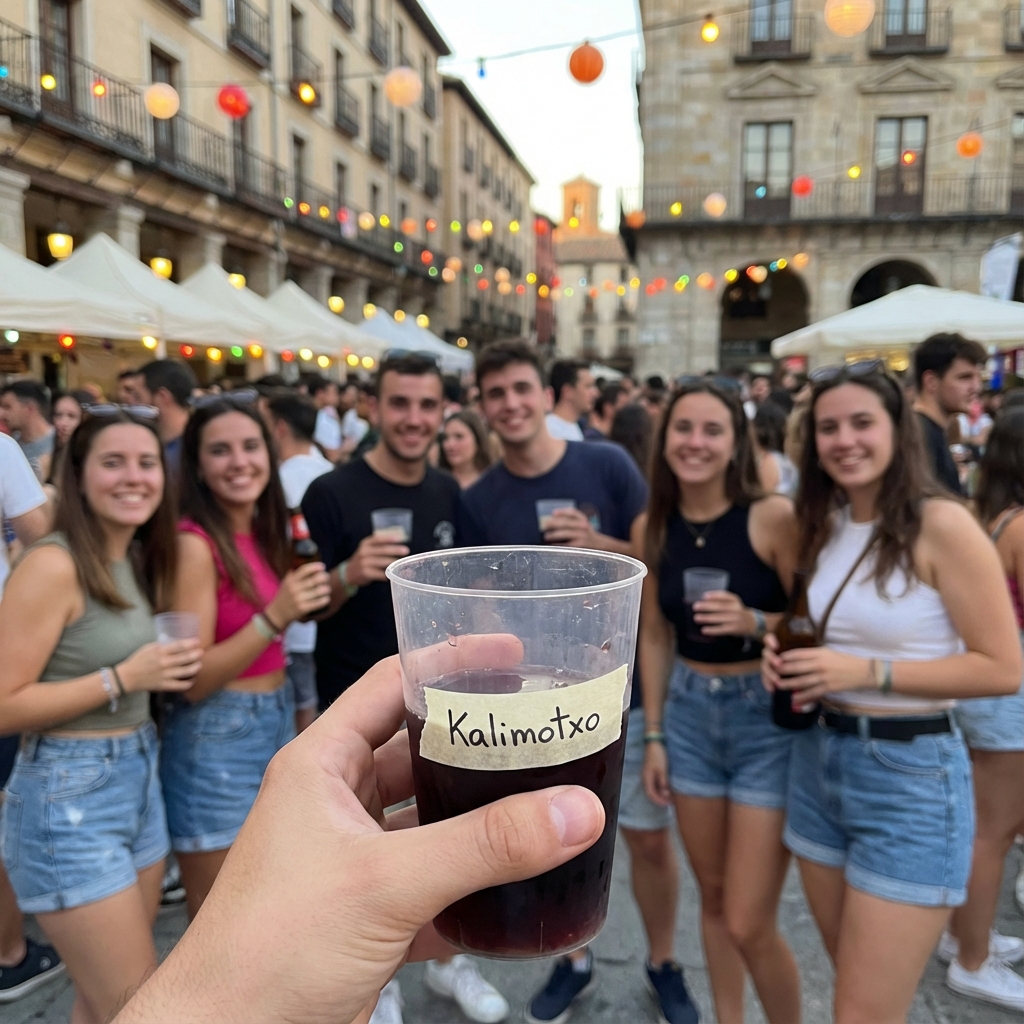
Born in the Basque Country in the 1970s, calimocho is the drink of botellón (outdoor drinking gatherings) and street festivals.
Ingredients: Cheap red wine + Coca-Cola (50/50)
Price: Practically free (made on the street)
When to order: At neighborhood festivals, San Isidro, La Paloma, or with friends in the park
Cultural note: You won't find this in bars; it's a street drink
Quick Comparison
| Drink | Price | Context | Tourist? |
|---|---|---|---|
| Tinto de Verano | € (€2-3) | Terraces, tapas | ❌ Very local |
| Sangría | €€-€€€ (€5-15) | Restaurants, groups | ✅ Watch for traps |
| Calimocho | € (homemade) | Festivals, botellón | ❌ Very local |
Expert advice: If you want quality sangría, order it at restaurants with good wine lists, never at touristy spots with laminated menus.
Mahou: The Beer Religion
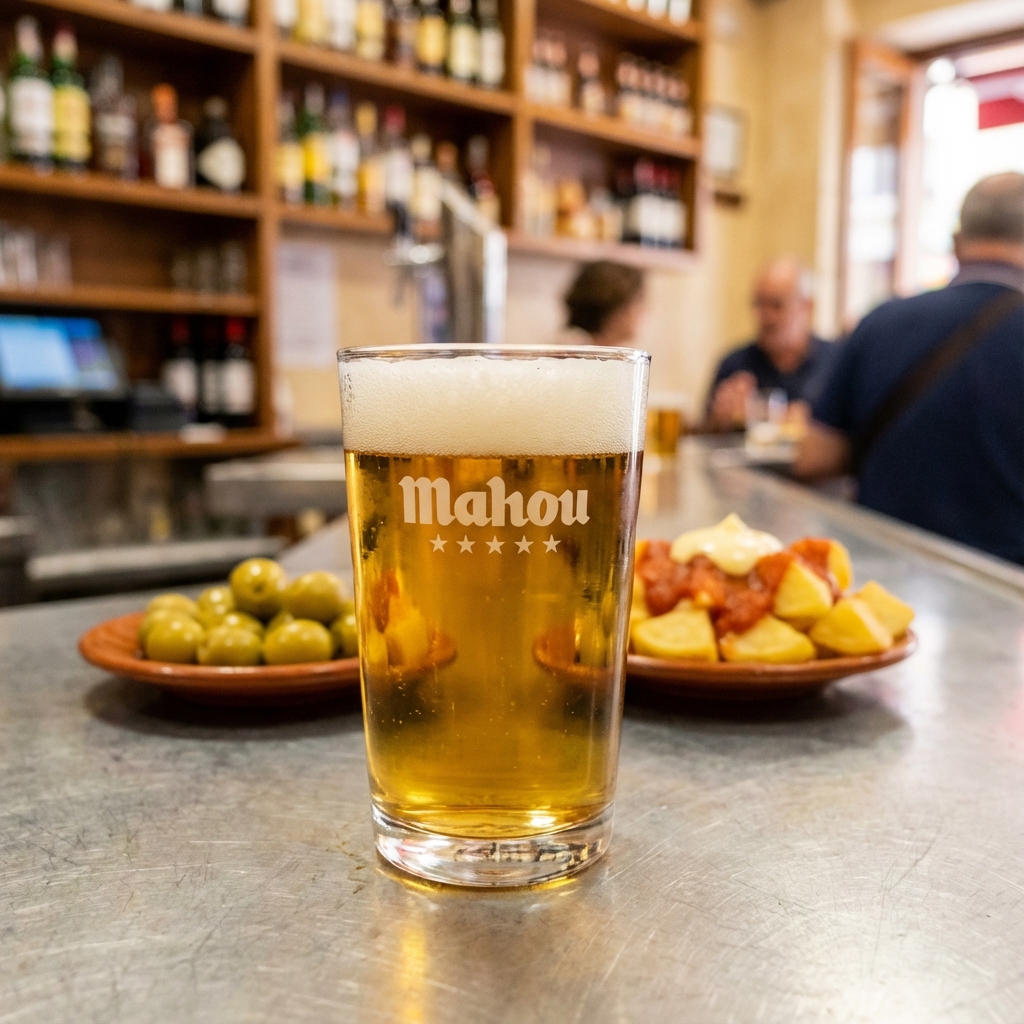
In Madrid, there is a hegemony bordering on religion: Mahou. Founded in 1890, it is the sponsor of Real Madrid and the default flavor profile of the city.
The Art of the Pour
| Term | Volume | Context |
|---|---|---|
| Caña | 200ml | Standing at the bar, tapas hopping. Must have foam head. |
| Doble | 400ml | Seated meal, thirsty. |
| Clara | 200ml | Beer with lemon soda. Perfect for summer. |
Sidrería El Tigre (Chueca) - €
A sociological phenomenon. Order a large beer and the waiter slams down a plate heaped with patatas bravas, croquetas, and pork shoulder. Deafeningly loud, packed shoulder-to-shoulder, napkins littering the floor—a traditional sign that the bar is popular and the food is fresh.
Vinos de Madrid: The Underdog Appellation
Vinos de Madrid DO has transformed from bulk wine to one of Spain's most exciting regions. The star is Garnacha from Sierra de Gredos: pale, ethereal, floral, and mineral-driven.
Taberna Tempranillo (La Latina) - €€
A visual spectacle with an entire wall of wine bottles. Perfect for comparing a classic Rioja against a modern Madrid Garnacha. Connects with our La Latina Tapas Trail.
Tienda de Vinos "El Comunista" (Chueca) - €
A historic landmark with a nickname earned during the Franco dictatorship. Spartan decor, efficient service, honest wine.
An Andalusian Enclave: Sherry in the Capital
La Venencia (Barrio de las Letras) - €
Walking into La Venencia is like walking into a sepia photograph from 1936. Nicotine-stained walls (though smoking is now banned), ancient barrels stacked behind the bar.
The Rules:
No photos: Staff will scold you immediately.
No tipping: A Republican-era holdover.
Sherry only: Do not ask for beer or Coke.
The tab: The waiter writes it in chalk on the bar in front of you.
Order: Start with a Manzanilla (light, salty) and move to an Amontillado (nutty, oxidized).
Spirits of the Land: Chinchón and Madroño
Anís de Chinchón
The medieval town of Chinchón produces this anise liqueur. Varieties range from Dulce (35% ABV) to Seco Especial (up to 74% ABV)—the latter is not for casual drinkers.
Licor de Madroño
Madrid's coat of arms depicts a bear eating berries from a Strawberry Tree (Madroño). This sweet, fruity liqueur is served in wafer cups lined with chocolate. A tourist favorite but also a genuine local curiosity.
The Cocktail Renaissance
Leche de Pantera (Panther Milk)
A cult-status cocktail born at El Chapandaz near Moncloa. Origin: Spanish Foreign Legion soldiers mixed condensed milk with gin. The bar is a themed "cave" with stalactites. The Leche de Pantera flows from a machine in the ceiling. Sweet, deceptively potent.
The Gin & Tonic Obsession
Spain reinvented the Gin & Tonic. Served in a massive "balloon" glass filled with hard ice, generous gin, tonic poured down a twisted spoon, and elaborate botanical garnishes. It is a post-dinner digestive, meant to be nursed for an hour.
Salmon Guru - €€€
Consistently ranked among the world's best bars (Top 50). Drinks served in ceramic dragon heads, glass beetles, and levitating cups. The cosmopolitan face of Madrid.
For more cocktail spots with views, check our Madrid Rooftops Guide.
Summer Coolers: Horchata and Leche Merengada
Kiosko de Horchata (Calle Narváez)
One of the last surviving traditional "aguaduchos" (water kiosks). Serving fresh horchata (made from tiger nuts, not rice) since 1944.
Horchatería Alboraya (Calle Alcalá)
A family-run institution founded by Valencian immigrants. They import their own tiger nuts. Must be consumed with fartons (long pastries designed for dipping).
Coffee and the Carajillo
Coffee in Madrid is dark roasted and strong. The morning standard is the Café con Leche. The alcoholic twist is the Carajillo.
Classic: With Brandy de Jerez.
Modern: With Licor 43 (vanilla/citrus liqueur), sweeter and smoother.
Quemado: The brandy is heated with lemon peel and flambéed before coffee is added.
Practical Guide: The Rhythm of Drinking
| Time | Drink |
|---|---|
| 08:00 - 11:00 | Café con leche. Hardcore traditionalists add an Anís. |
| 12:30 - 14:30 | La Hora del Vermut. Vermouth, Caña, or Fino sherry with olives. |
| 14:30 - 16:30 | Lunch. Wine (Vinos de Madrid) or water. |
| 16:30 - 18:00 | Sobremesa. Coffee, Carajillo, or Licor de Madroño. |
| 19:00 - 21:00 | After-work Cañas and Tapas. Tinto de Verano if it's hot. |
| 22:00+ | Dinner wine, followed by Gin-Tonics (sipped slowly). |
Tipping
Modest in Madrid. Locals leave small change (cents) on the saucer for coffee or beer. For sit-down meals, 5-10% is generous but not mandatory.
Frequently Asked Questions
What's the difference between Sangría, Tinto de Verano, and Calimocho?
Tinto de Verano is red wine with lemon soda (what locals order). Sangría has wine, fruits, brandy, and sugar (more elaborate, more touristy). Calimocho is red wine with Coca-Cola (street festivals and young people's drink).
Why are there napkins on the floor in some bars?
In traditional "tascas," throwing napkins, olive pits, or shrimp shells on the floor was a sign of approval. A dirty floor meant the bar was busy and the food was fresh.
Is the tap water safe to drink?
Yes, absolutely. Madrid tap water is among the best in Europe due to the granite geology of the Sierra de Guadarrama.
Can I order Sangria in a bar?
You can, but you generally should not in tourist areas. Bar sangria is often a tourist trap—overpriced and made with cheap wine. Locals prefer Tinto de Verano (red wine with lemon soda): authentic, cheap, and refreshing.
What is the difference between "Caña" and "Doble"?
A caña is a small glass (200ml) designed to be drunk quickly while cold. A doble is roughly twice the size (400ml). If you are standing at the bar eating tapas, stick to cañas to ensure your beer is always at the perfect temperature.
Is Leche de Pantera safe to drink?
Yes, it is a standard cocktail. However, it is very high in sugar (condensed milk) and alcohol. It is a "bomb" that should be consumed in moderation.
To complete your gastronomic experience, check our Madrid Food Guide.
🍷 Ready for Your Liquid Adventure?
Open the map and discover Madrid's best bars. Collect stamps at each stop and toast to the Madrid life.
View Bar MapRate this guide
Average rating: 4.7 out of 5(based on 89 ratings)
Share and save
Share this route with friends or save it to continue on mobile.
Ready to explore?
Collect digital stamps at these locations and more with StampsGo. Discover hidden gems and create lasting memories.
You might also like
Ponzano Nightlife Guide: Madrid's Golden Mile 2026
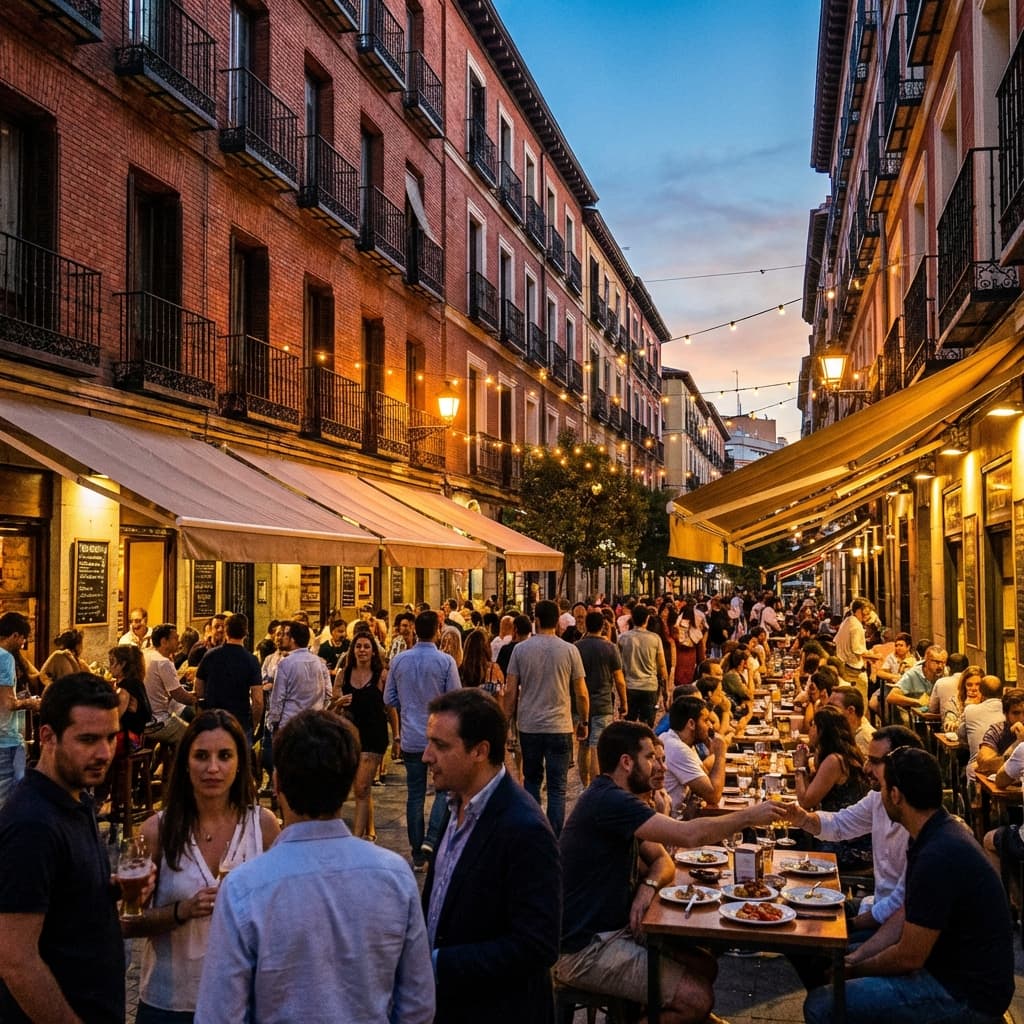
Ponzano is not just a bar street; it's a sociological phenomenon that has generated its own verb: "Ponzaning". This guide takes you from traditional vermouth to haute cuisine.
Madrid Food Guide 2026: Where Locals Eat (Best Tapas, Cocido & Markets)
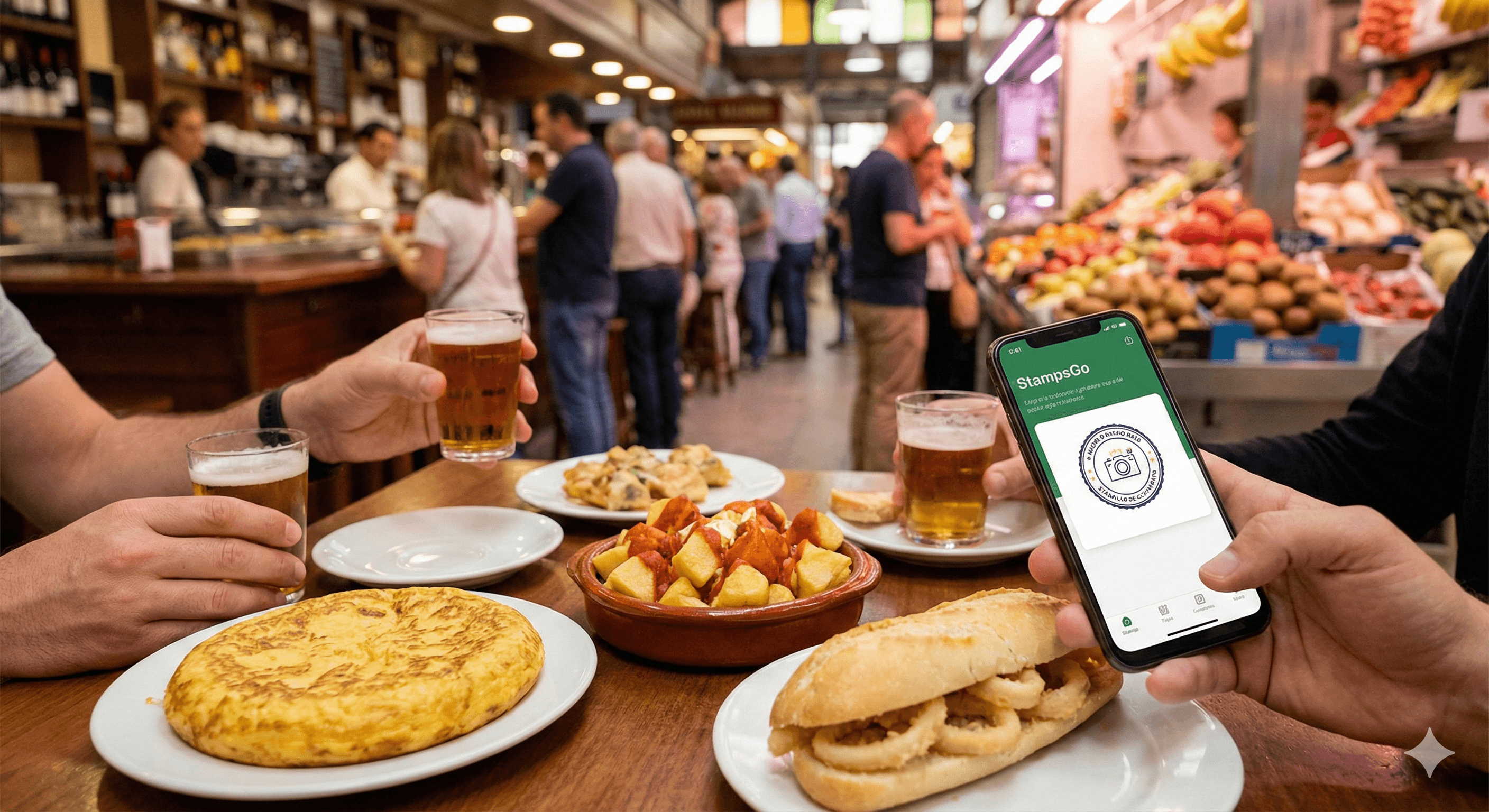
Madrid does not cook from its soil, but from its history. This guide takes you from charcoal-cooked cocido to the huevos rotos of Casa Lucio.